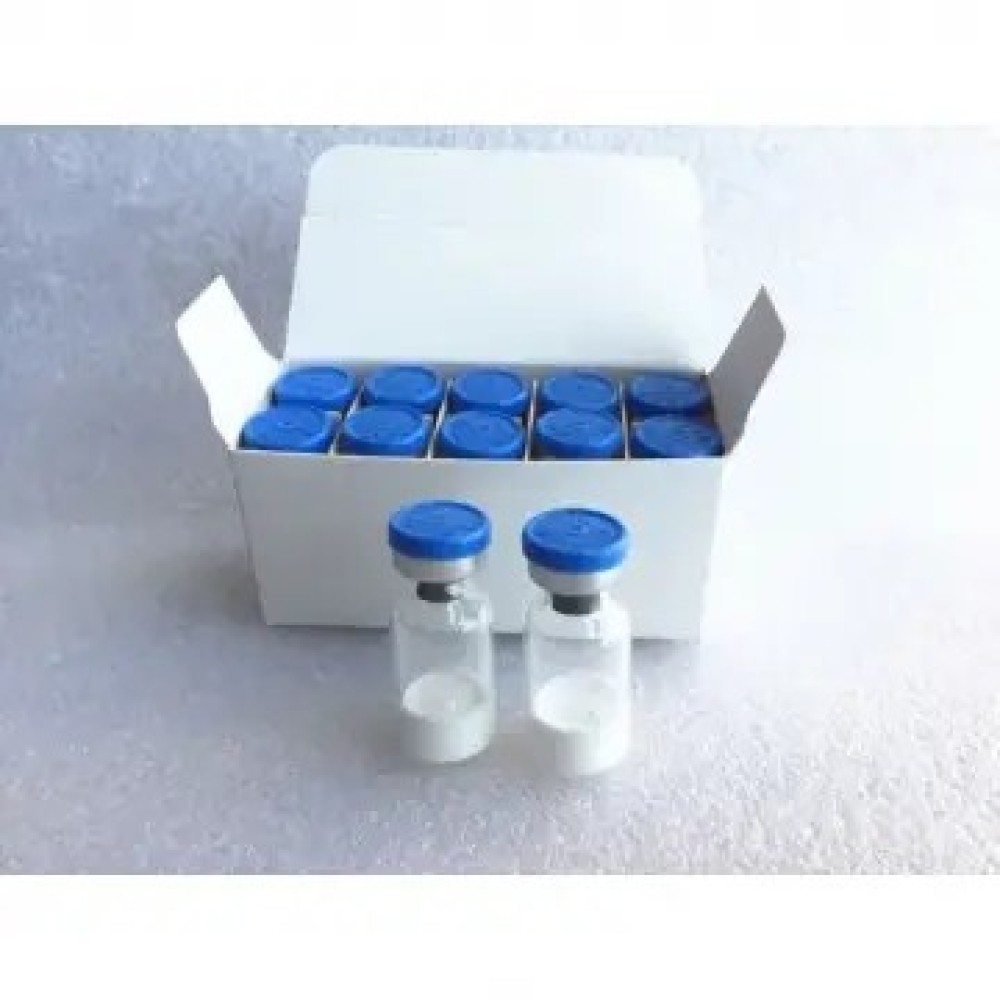
| Also known as |
EPO, epoetin |
| Blood pressure |
Can cause or worsen hypertension |
| Chemical name |
Recombinant human erythropoietin |
| Dosage (medical) |
Typically 50-300 IU/kg three times a week |
| Dosage (sports) |
Misuse doses can range from 20-50 IU/kg of body weight, administered several times a week |
| Effects |
Increases red blood cell count, improves oxygen transport and aerobic capacity |
| Formula |
C815H1317N233O241S5 |
| Half-life |
4-13 hours (varies with route of administration) |
| Hepatotoxicity |
None reported |
| Lab Test |
Erythropoietin (EPO) levels in blood can be detected via specific blood tests |
| Main action |
Stimulates erythropoiesis (red blood cell production) |
| Raw Material |
Human Growth Hormone |
| Side effects |
Hypertension, thrombosis, headache, flu-like symptoms, increased risk of stroke and myocardial infarction |
| Storage conditions |
Store in refrigerated conditions, 2-8В°C (36-46В°F) |
| Substance class |
Hematopoietic agent, Erythropoiesis-stimulating agent (ESA) |
| Trade name |
Epogen, Procrit, Eprex |
| Use in sports |
Banned by major sports organizations, used to improve endurance and performance |
| Water Retention |
Minimal to none |
| Manufacturer |
Generic blue top |
| Packing |
EPO3000iu |